
Thinking about selling on Etsy but not sure where to start? You’re not alone. Etsy is one of the biggest platforms for handmade goods, vintage finds, and creative digital products, but just opening a shop doesn’t guarantee sales. If you want to actually make money and not just waste your time, you’ve got to be smart about what you’re selling and how you’re marketing it. So let’s break it down, what can you really sell on Etsy, and what’s actually profitable?
What You Can (and Can’t) Sell on Etsy
Before you jump in, you’ve gotta know what’s actually allowed on Etsy, because yes, they have rules, and yes, they do shut down shops that don’t follow them. I met many people who got their shop closed, and believe me you don’t want to get there, because it’s not that easy to reach Etsy’s support later.
Here’s what’s good to go:
- Handmade products – Either made or designed by you. That means you don’t need to physically create it with your hands, but it does need to be your original design.
- Vintage finds – Must be at least 20 years old. That old ‘90s hoodie? Fair game.
- Craft supplies – Tools, materials, party decor, or anything buyers use to make something else. Even if you didn’t make it yourself.
What is not allowed:
- Mass-produced stuff you didn’t design – You can’t just buy something off AliExpress and list it here. Unless it’s a POD product with your original design, it’s a no. This means, forget about dropshipping.
- Copyrighted or trademarked content – That Disney logo or Taylor Swift lyric? Yeah, don’t go there.
Interested to read more about their rules and policy – visit Etsy Seller Policy page. They break everything down, and reading them now can save you a ton of headaches later.
So What’s Selling Right Now? Here Are Top Etsy Product Categories
Here’s what’s hot, based on marketplace data and seller reports:
- Digital downloads (planners, wall art, templates)
- Handmade jewelry (especially personalized or minimalist)
- Wedding items (invitations, decor, favors)
- Print-on-demand (custom shirts, mugs, stickers)
- Home & living products (candles, organizers, seasonal decor)
- Craft supplies & tools (especially trending or aesthetic)
- Vintage fashion & decor
- Kids and baby gear
- Pet accessories
- Eco-friendly swaps (zero-waste products)
Use tools like eRank, Alura, Koalanda, Everbee, or InsightFactory to spy on top-selling products in real-time.
If you wonder what kind of info you can find on these platforms – check out examples I shared here for shops that make over $20k per month on Etsy.
Digital vs. Physical Products: Which One’s Right for You?
Let’s talk product types. Most Etsy sellers fall into one of two camps: digital products or physical goods (including print-on-demand). Both can work, you just need to know what fits your skills, time, and goals. I used to sell jewelry on Etsy and then started a digital stickers shop. There were pros and cons in both, and both can be super profitable, but you need to decide here what you like more and how you prefer to manage your business.
Digital products are where it’s at if you’re into passive income.
Think printable wall art, planners, templates, social media kits, you create it once, list it, and sell it over and over with zero shipping drama. Super low overhead, but here’s the catch: the digital space is crazy competitive. You need a specific niche and standout designs to make it work. The good news? Once something hits, it really hits.
Physical products come in two flavors: handmade or POD.
If you’re crafty and love creating with your hands, handmade can be super rewarding (and profitable if you price it right).
POD is great if you want to scale without holding inventory. You upload your design, and a third party prints and ships it. But here’s the deal: profit margins can be slim, and generic designs won’t cut it.
POD works best when your design is actually good. Like, not just a random Canva quote slapped on a mug. The more unique your product, the better your chances of getting found and bought. Think seasonality, special events, people you sell to.
Want to see how I made over 1,300 sales selling digital products without shipping a thing? Read my full Etsy story here.
Not Sure What to Sell? Here’s When Passion Meets Profit
If you’re stuck on what to sell, you’re not alone. A ton of Etsy sellers start in the same spot, scrolling through categories, overthinking, and hoping for a magic idea to fall into their lap. I even started and closed a few shops myself. And that’s totally fine! Here’s the truth, your sweet spot is where passion and profit overlap. You need to enjoy your products and love what you are doing but also check what’s profitable.
Ask yourself:
- What do I actually enjoy making or designing?
- Is there a product I wish existed?
- What’s trending right now that I could do better or differently?
- How much can I earn from each product I sell?
You don’t need some million-dollar idea. You just need a solid, clear niche and a product people are actually searching for. That could be anything from printable planners or wedding templates, to handmade yarn crowns, spooky coasters, or yes, custom Furbies (someone’s out there doing it and making sales).
Your research is your secret weapon. To know what to sell I use tools like eRank or Alura to dig into what people are already buying. I even used keyword research tools like Ahrefs to understand what popular keywords people are looking for to understand demand. If it’s the first time you hear about these kinds of tools, you better sign up and start experimenting because these tools are going to be your eyes.
What you want to check in there is keyword volumes, which means what is the average number people search these keywords online, and best selling products, to understand what people like.
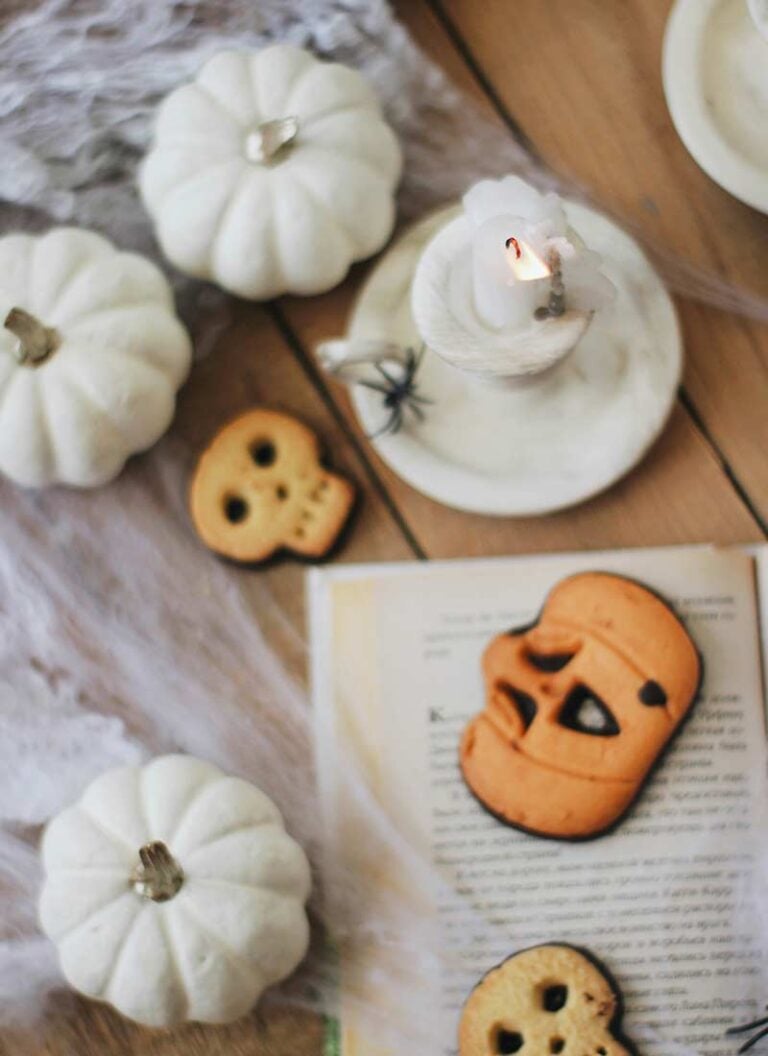
Then, look at where your creativity fits in. Some sellers built full shops around sublimation tumblers, others sell only Halloween-themed bookmarks. The point is, you don’t need to reinvent the wheel, just make a version of it that feels yours.
Related: Easy Crafts to Make and Sell on Etsy
Key Considerations Before You Start
I published a few Etsy tutorials on YouTube and got tons of questions from both new sellers and people thinking about opening a shop. What surprised me most? How many teens reached out asking if they could start their own shop. And honestly, I get it, Etsy is the ultimate business for teens. You can work from home, the startup costs are super low, and you’ve got way more free time than most adults (I’m jealous, haha).
So I wanted to quickly note a few things that I assumed were obvious, but clearly aren’t, and I think they’re worth mentioning:
- Age Requirement: Must be 18+ to open your own shop (or use a parent’s ID).
- Legal + Financial – Consider forming an LLC and getting liability insurance, better to consult an accountant because you’ll need to open a business legally and pay taxes.
- Shipping & Packaging – Research costs and materials in advance, especially delivery costs.
- International Rules: Be aware of laws around selling toys, food, or cosmetics.
How to Actually Stand Out on Etsy (Even When Everyone’s Selling the Same Thing)
Let’s be real, Etsy is crowded. If you’re jumping into a popular category like stickers, jewelry, or digital downloads, you’re not just competing with other small shops… you’re also up against mass-produced lookalikes and AI-generated junk that floods the platform. So how do you actually get noticed?
Here’s what’s working now (and what I’ve seen time and time again from successful sellers, myself included):
Master Your SEO (yes, it matters)
SEO is my best friend! If you’re not using strong keywords in your titles, tags, descriptions, and even your shop sections, you’re basically invisible. Tools like eRank, Everbee, and InsightFactory are your best friends here too. As I mentioned earlier, find what people are actually searching for, then build your listings around that.
Niche all the way down
Don’t just sell jewelry, sell celestial-themed memorial necklaces that include hair keepsakes (yes, that’s a real shop and it’s doing well). The more specific you get, the easier it is to attract the right buyer who’s already looking for what you offer. For example, when I sold jewelry on Etsy, I found a super cool jewellery niche where shops were making hundreds of thousands of sales – piercings!
Use beautiful, scroll-stopping images
Whether you’re handmaking your products or selling digital files, your photos (or mockups) have to look good. Period. Like, Pinterest-level good. One of the biggest mistakes new sellers make is rushing the visuals. Use mockups when you’re starting out, they’re fast, pretty, and don’t require a photoshoot. And add as many as you can – but only good ones.
Ride the trends, don’t chase them blindly
Checking Pinterest, Etsy’s trending tab, and even Anthropologie or Target drops can give you instant inspiration. It’s how I spotted the Instagram sticker niche back in 2020, and I still use this method to spark ideas.
Tell your story
Why do you make what you make? What’s behind the design? Whether it’s sustainable handspun yarn made with foraged materials or spooky Halloween bookmarks sewn by moonlight, your process and story make your products feel human. That connection matters.
You don’t have to scream louder than everyone else, you just have to be more you. Clear niche, smart SEO, and a brand that feels personal. That combo works even in the most saturated markets.
Common Mistakes New Sellers Make (and How to Avoid Them)
A lot of new Etsy sellers make the same mistakes: jumping in without a clear product or niche, relying solely on Etsy to bring in traffic, and underpricing without thinking about time, materials, or fees. Oh—and expecting overnight success? That’s a fast track to burnout. This isn’t a quick win game. It takes testing, tweaking, and a whole lot of patience to actually see results.
So before you start:
- Make sure you have a clear product or niche
- Don’t rely only on Etsy traffic – use Pinterest and email lists. Make sure to read my Pinterest guide to generating free traffic.
- Don’t underprice without calculating costs, time, and Etsy’s 5% fee!
- Be patient, don’t expect fast results, this is a marathon, not a sprint.
Here Are a Few Resources to Help You Succeed
- How to start an Etsy shop
- How to promote your shop on Pinterest
- Etsy trend tracking tools: eRank, Alura, Koalanda, Everbee, or InsightFactory
- Another great way to promote your shop is with a blog – here is my guide on how to start a blog
Final Thoughts
You can sell almost anything on Etsy, as long as it’s either handmade, vintage, or helps others create. But success? That comes from strategy, effort, and constantly evolving with the market. Start small, test ideas, and build as you grow.